
Why Infrastructure Projects Fail Lender Screening
Large infrastructure projects rarely fail because they lack potential. More often, they fail because they are not ledner-ready.
Before committing time and resources to full due diligence, lenders and institutional investors perform an initial screening to determine whether a project meets their minimum underwriting requirements. If critical gaps are identified at this stage, the project may never reach formal review.
What Institutions Assess Before Due Diligence
Institutional reviewers typically evaluate whether a project demonstrates:
- Complete and well-organized due diligence documentation.
- A credible and sustainable repayment structure.
- A realistic capital stack.
- Appropriate collateral and security arrangements.
- Technical and commercial feasibility.
- Legal and regulatory readiness.
- Clear evidence that the project is bankable.
Weaknesses in any of these areas can prevent a project from progressing to detailed underwriting.
Common Reasons Infrastructure Projects Are Rejected
Projects are frequently screened out because they have:
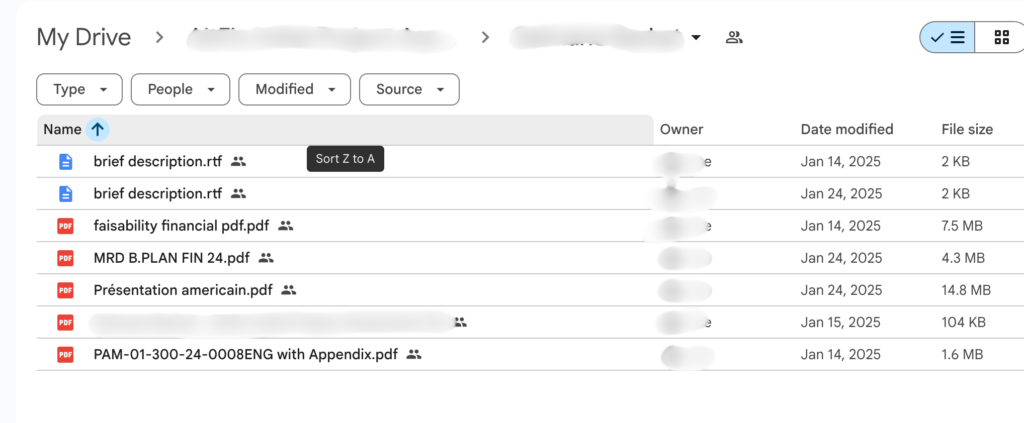
- Incomplete or inconsistent documentation.
- Weak credit and bankability indicators.
- An unrealistic capital structure.
- Insufficient collateral.
- Poorly prepared feasibility studies.
- No institutional-quality investment memorandum.
- Disorganized supporting documentation.
- Unresolved legal or execution risks.
Many sponsors discover these issues only after approaching lenders, resulting in delays, additional costs, and unsuccessful financing efforts.
Prepare Before You Approach Capital
Institutional capital is awarded to projects that are properly prepared—not simply those with strong concepts.
Conducting an objective readiness assessment before engaging lenders allows sponsors to identify critical weaknesses, prioritize remediation, and assemble a submission package that aligns with underwriting expectations.
Get the Next Readiness Gap in Your Inbox
Short, practical breakdowns of what makes lenders walk away — before it happens to your deal.
